-
Room 2Can AI help take the guesswork out of biology? Through practical case studies and facilitated group discussions, this workshop explores how AI, genomics, and predictive modelling are helping to accelerate discovery, improve validation, and bring biological innovations to market faster. Groups will share insights and recommendations with the wider audience at the end.
-
Room 2Biologicals and genetics promise better farm economics and greater climate resilience, but proving consistent performance remains a major bottleneck. Through three practical case studies, speakers explore how AI, field-trial data, predictive modelling and new validation approaches are helping to improve the quality, consistency, and reputation of biological and genetic innovations.
-
Room 2
Bionutrition is one of the fastest growing segments in agriculture, driven by fertilizer market volatility. As the category shifts from experimentation to standardization and monetization, are biologicals becoming a permanent part of nutrient-management strategies? What proof points, advisory services, and support models are needed to drive long-term customer loyalty?
-
Room 2
From weather shocks, geopolitical disruption and market volatility to pest and disease pressures, the operating environment for crop production is becoming more unpredictable. A fast, evidence-led view of which advances in biologicals and genetics are showing commercial traction.
-
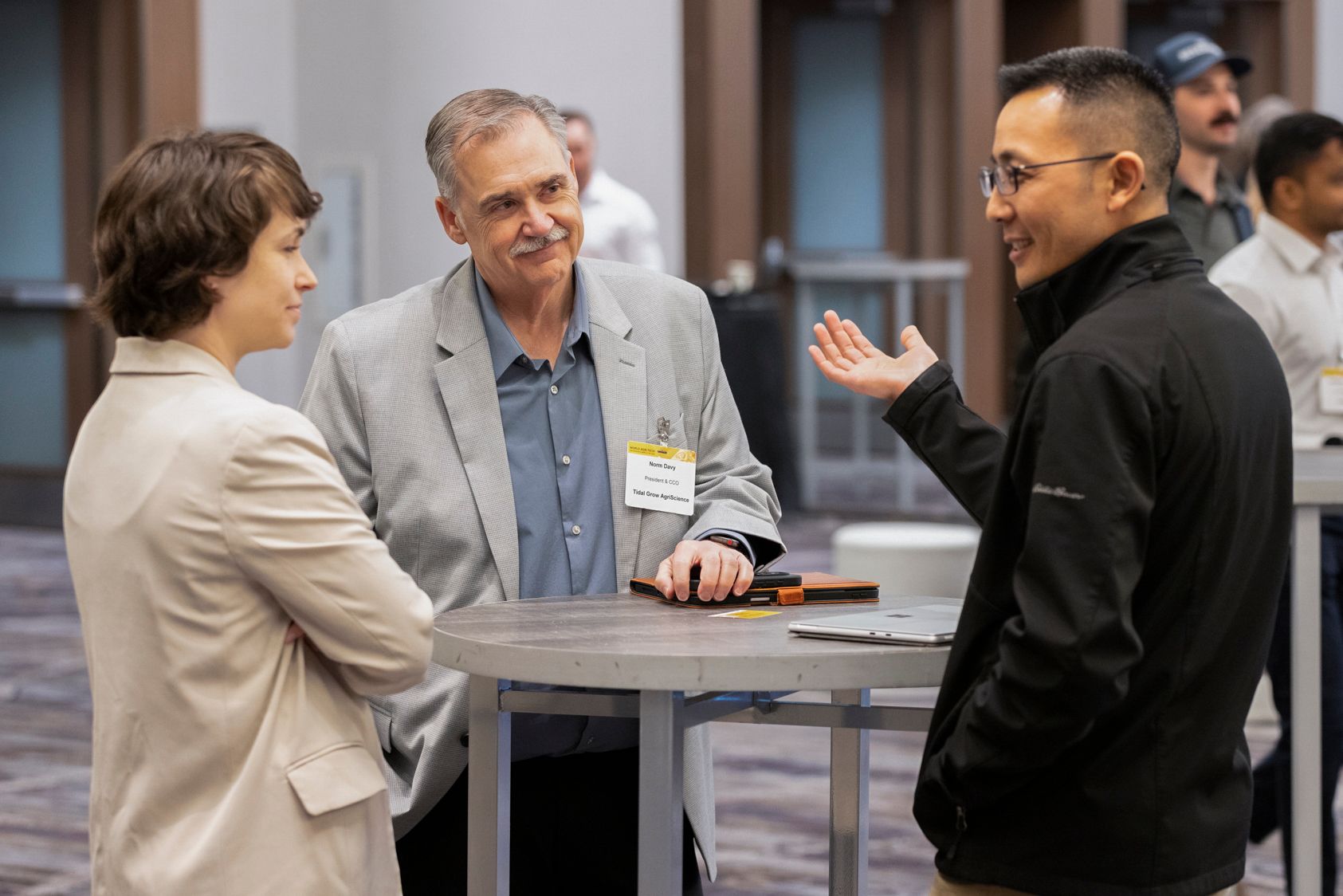
ExhibitionNetwork with fellow delegates while exploring the Farmers Market, a showcase celebrating the growers and producers at the heart of North America’s food system. Sample regional fresh produce, discover innovative ingredients, and connect with exhibitors demonstrating how farm-level innovation translates into delicious food.
-
Room 2
Anticipated regulatory changes could accelerate the commercialization of biocontrol products at the same time as corporates move away from closed R&D models towards partnerships. As competitive advantage shifts from simply owning proprietary products to orchestrating the fastest routes to market, can co-development deliver better solutions to growers faster than traditional innovation models? What do early results tell us?

Stay Updated
Join the global community of 35,000+ agri-food leaders who are the first to know about exciting event updates, opportunities to participate in the program, and exclusive insights from our speakers.